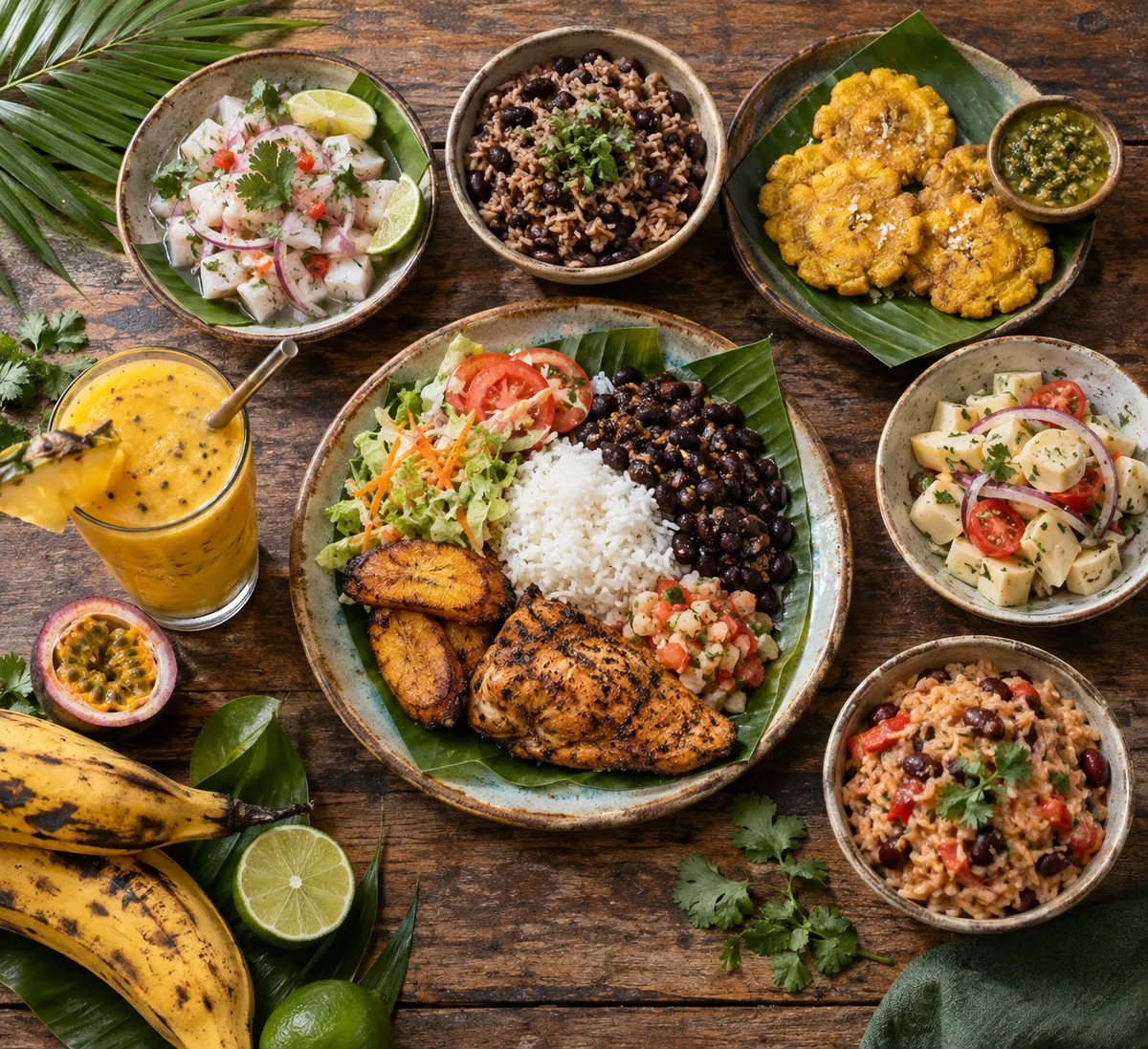
Costa Rican food doesn't show off. It's built on fresh, local ingredients, and the best way to appreciate it is to eat a handful of core dishes in the right order. Afar's roundup of must-eat Costa Rican foods makes the case that the country's biodiversity, regional traditions and farm-to-table culture produce a cuisine that is simple, fresh and deeply tied to place. Afar's full list runs to 12; the source material I have covers seven, so here are those seven, arranged as a first-trip eating plan.
Start with the national morning habit: gallo pinto
If you eat one thing at breakfast, make it gallo pinto, a staple built on rice and beans. It's the dish most people mean when they talk about everyday Costa Rican eating, and it's an easy way to see how the cuisine favors simple, local ingredients over complicated technique.
How to approach it: order it where locals eat breakfast, and treat it as a base. Its charm is in how plainly it tastes of its ingredients.
Order a casado for lunch
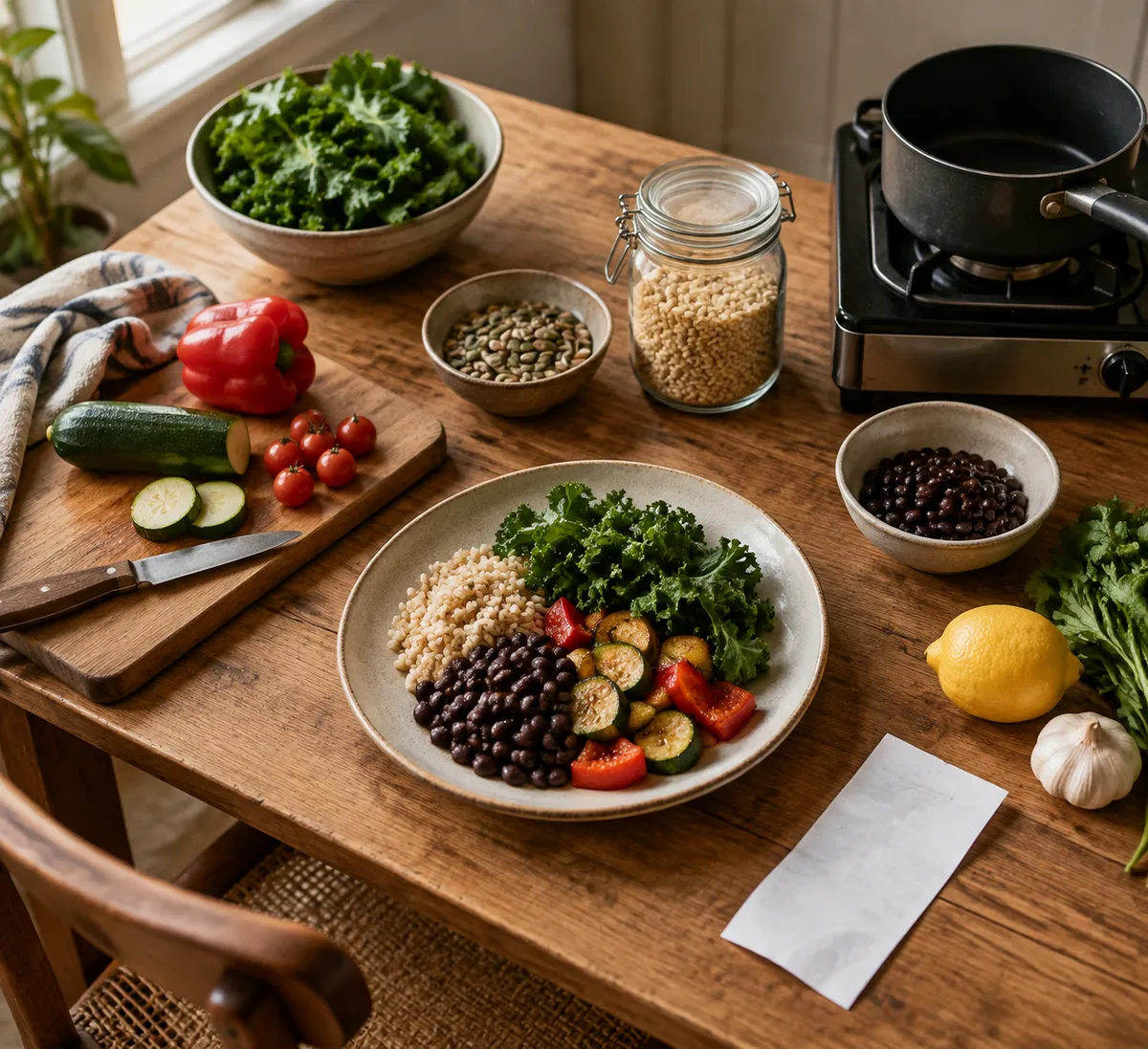
The casado is the meal to order when you want the broadest view of Costa Rican cooking on one plate. It's a composed, everyday meal rather than a single showpiece dish, which is exactly why it's useful for a newcomer.
How to approach it: make this your midday default at least once. You'll taste several components of the local pantry at the same time, and you won't have to guess what to order next.
Eat ceviche where the seafood is freshest
Ceviche is the clearest expression of the fresh-seafood side of Costa Rica. Its whole appeal rests on the quality of what goes into it, so it rewards you for eating near the coast rather than far from it.
How to approach it: treat it as a coastal dish. If you're by the water, this is a good time to order it, ideally as a light starter or a beachside lunch.
Snack on patacones
Patacones are the fried snack on the list, and they're the easiest dish to slot into a day of sightseeing. They work as a shareable bite, and they're the kind of thing you can order without committing to a full meal.
How to approach it: order them to share while you're deciding on the rest of the table, or as a casual afternoon snack.
Try the heart of palm salad
Heart of palm salad is the fresh, plant-forward counterpoint to the fried and the hearty. It's a reminder that Costa Rica's food culture draws on what grows locally, and it balances out a day heavy on rice, beans and fried snacks.
How to approach it: pair it with a richer main, or order it as a lighter meal when you want something fresh.
Drink a batido
Batidos are the fruit-packed drinks that Afar singles out in its headline, and they're the easiest way to taste Costa Rica's produce without sitting down for a meal. Think of them as fruit smoothies with a local accent.
How to approach it: let the fruit choice follow what's in season and on offer. Ask what's freshest and go with that.
Compare it with Caribbean rice and beans
Here's where regional identity shows up. Gallo pinto and Caribbean-style rice and beans both center on rice and beans, but they come from different traditions, and tasting them in separate regions is a neat way to see how the country's cooking shifts from place to place.
How to approach it: if your itinerary includes the Caribbean side, order the rice and beans there rather than assuming it's a variation on what you ate at breakfast. Afar's piece points to regional traditions as a defining feature of the cuisine, and this pairing is the simplest way to taste that.
A simple one-day plan
- Breakfast: gallo pinto
- Mid-morning: a batido
- Lunch: casado, or ceviche if you're on the coast
- Afternoon: patacones
- Dinner: heart of palm salad alongside something heartier
When you're in a Caribbean region, swap in rice and beans for one of those meals.
Why this style of eating works
According to Afar, the thread that ties these dishes together is fresh, local sourcing. That's a strong story for travelers who care about authenticity and sustainability, and it's also a practical one: when ingredients are the point, you don't need a fancy restaurant to eat well.
Your move: on your first day, order the casado. It will teach you more about Costa Rican cooking than any menu of showpieces.