You don't need to pick the perfect longevity diet. That's the useful takeaway from new research on eating patterns and biological aging, reported by Women's Health: ten different diets have been linked with slower aging, and what they share matters more than what sets them apart.
Below, you'll get the list, the common thread, and a practical way to shop and cook around it without expensive supplements or extreme rules.
The 10 patterns linked with slower biological aging
Per Women's Health, the research connects these patterns with slower biological aging:
- Mediterranean diet
- Nordic diet
- DASH diet
- MIND diet
- Alternate Healthy Eating Index (AHEI)
- Plant-based Diet Index
- Healthful Plant-based Diet Index
- Unhealthful Plant-based Diet Index
- Dietary Inflammatory Index
- EAT-Lancet (Planetary Health) diet
Some of these are familiar named diets. Others, like the indexes, are scoring systems researchers use to measure how closely someone's eating follows a particular pattern. The coverage I'm working from doesn't detail how each one performed, so I won't rank them. The overall finding is the more reliable guide.
What the research actually says
The patterns most associated with slower aging center on plant foods, whole grains, and minimally processed ingredients. The core message from the experts Women's Health spoke with: no single "perfect" longevity diet wins. Consistent diet quality matters most.
That's a relief if you've been eyeing a pricey supplement or a restrictive plan. It also means you can choose a pattern that fits your taste, budget, and kitchen, then stick with it.
What "biological age" means for your plate
Biological age is a way of describing how your body is aging, as opposed to the number of birthdays you've had. It's the idea behind the "turn back the clock" language in wellness headlines. The takeaway from this research is modest and practical: everyday eating patterns can influence how well you age. Not a single miracle food. The pattern, repeated over time.
The shared grocery list
Based on the common principles (plants, whole grains, minimal processing), here's a sensible shopping frame. This is my practical translation, not a list from the research.
- Fill the produce drawer first. Vegetables, fruit, and legumes are the anchor of plant-centered eating.
- Choose whole grains. Think oats, brown rice, barley, or whole-grain bread in place of refined versions.
- Pick ingredients over products. The closer something is to its original form, the better it fits the "minimally processed" principle.
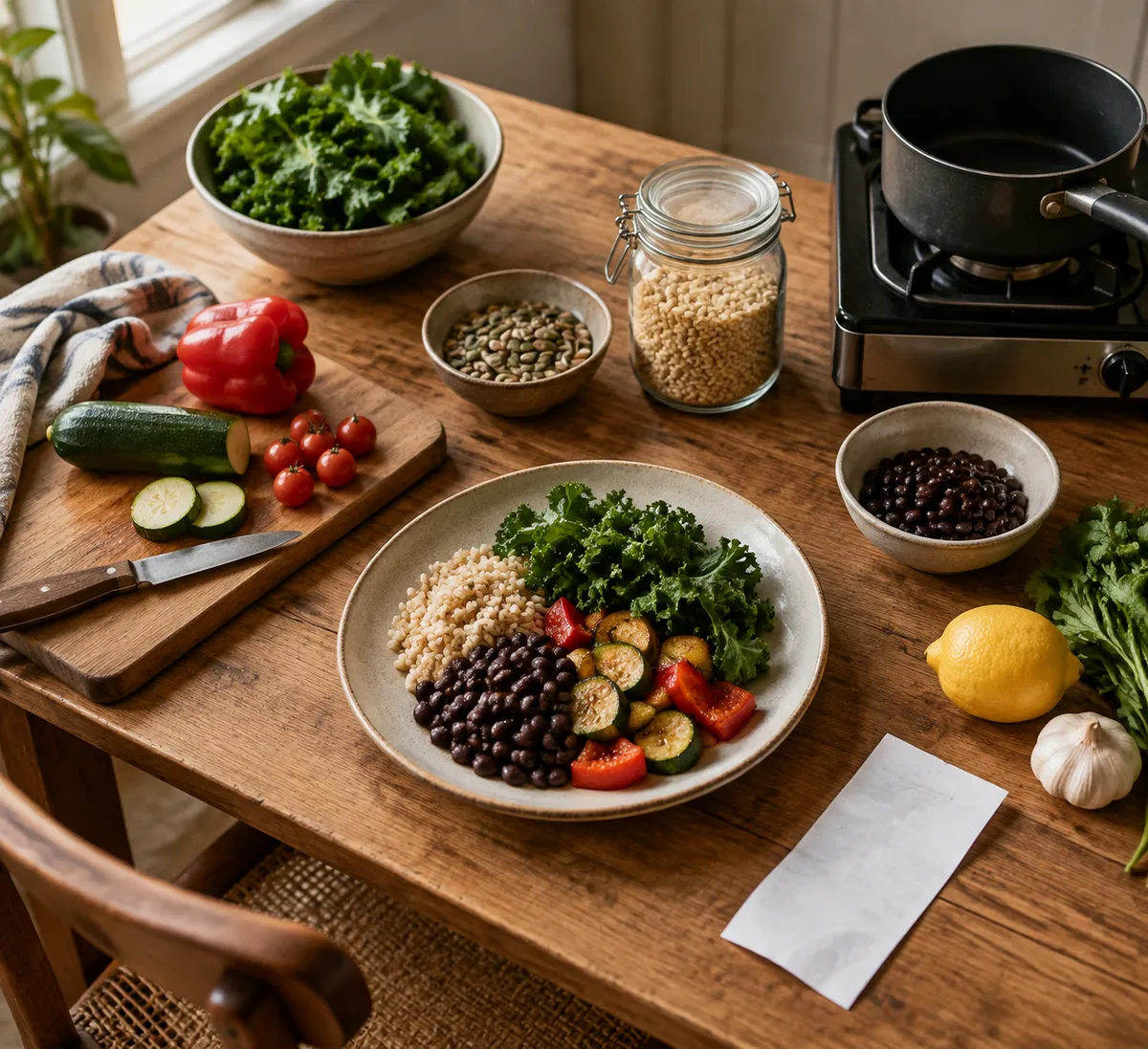
- Keep staples you'll actually use. Canned beans, frozen vegetables, and dry grains make consistency easier.
Easy swaps that fit every pattern
You don't need to overhaul your kitchen. Try one swap at a time:
- Replace white pasta or rice with a whole-grain version a few nights a week.
- Turn one meat-centered dinner into a bean or vegetable-led one.
- Swap a packaged snack for fruit or nuts.
- Add a vegetable to breakfast.
The plant-based indexes carry one useful warning. Among the ten patterns is an "Unhealthful" Plant-based Diet Index, alongside a "Healthful" one. The names alone suggest that being plant-based isn't automatically the same as eating well. That's my reading of the labels, but it fits the emphasis on minimally processed food: plant-based chips and sweets are still processed.
Which one fits you?
Because the patterns overlap, choose by lifestyle rather than by hype:
If you like flexible, flavor-forward cooking
The Mediterranean diet is the most recognizable of the group, and its emphasis on plant foods and whole grains matches the research's core theme.
If you want a structured, named plan
DASH and MIND are established frameworks with clear guidelines, which can help if you prefer rules to improvisation.
If you care about the environment too
The EAT-Lancet (Planetary Health) diet is on the list, so a plant-forward approach built around sustainability still counts.
If you like tracking and scoring
The indexes, including the Dietary Inflammatory Index and AHEI, are measurement tools. They're more useful as a lens for evaluating your meals than as a menu.
Why consistency beats miracle foods
A single blueberry smoothie won't reverse anything, and one indulgent dinner won't undo your progress. The research points to diet quality over time. Set yourself up so the good choice is the easy one: stock the pantry, prep a grain on Sunday, keep fruit visible.
The one move to make this week
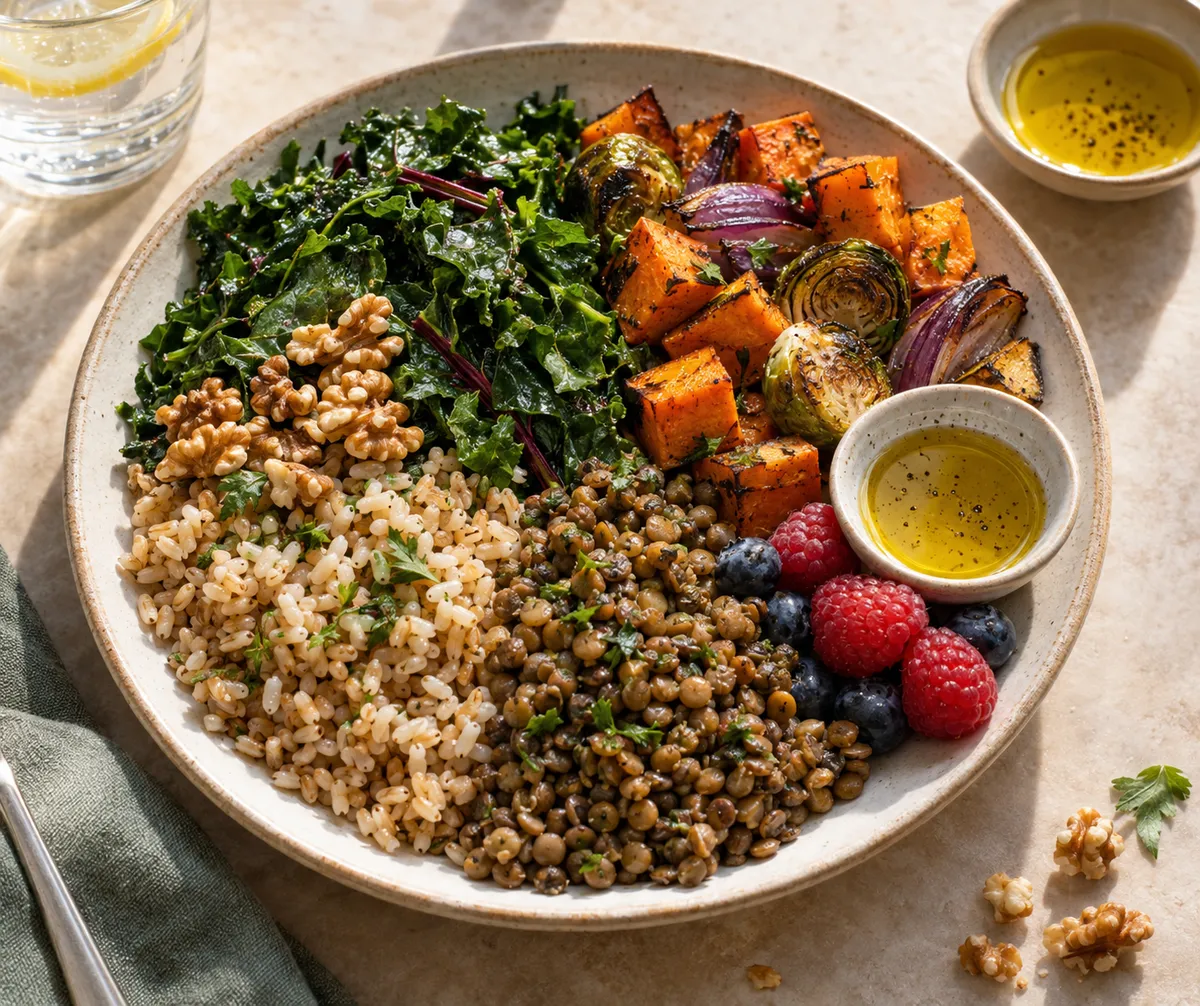
Pick one dinner and rebuild it around vegetables, legumes, and a whole grain. Do it again next week. Repeating a decent pattern beats chasing a perfect one.