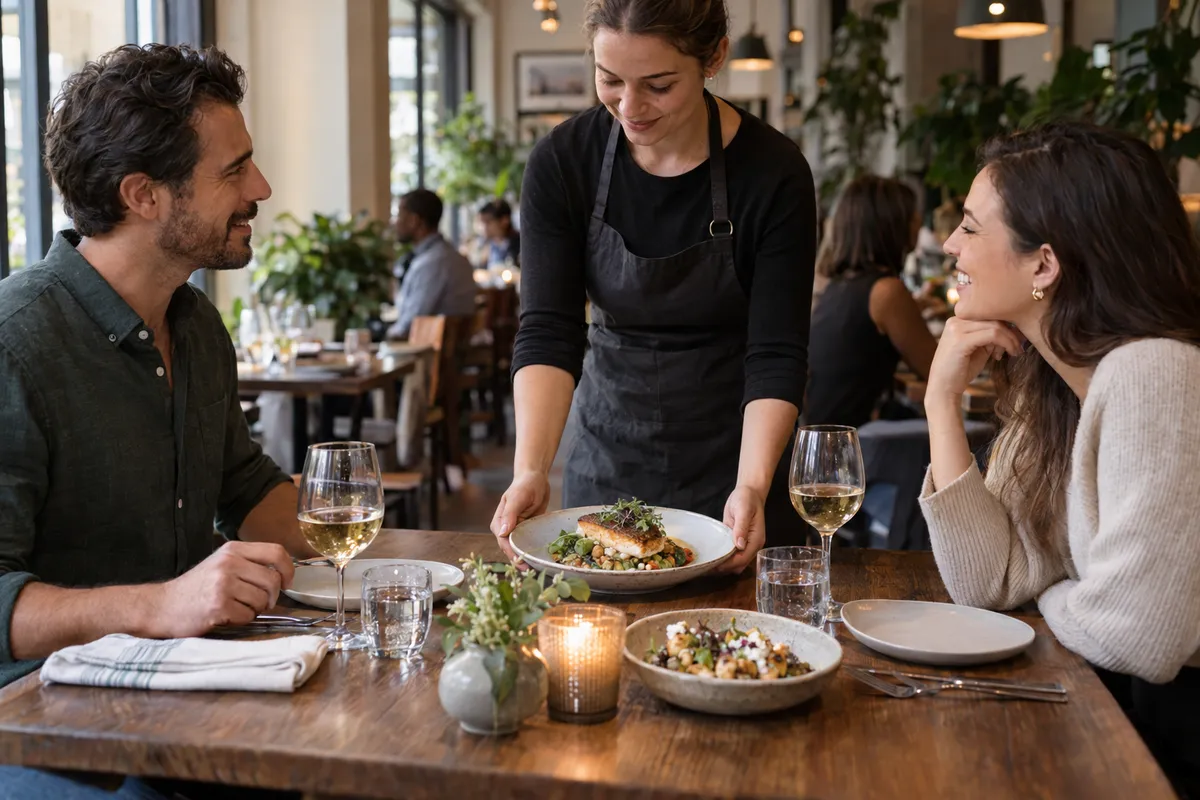
Fewer Americans are eating out every week, and that shift can work in your favor. If you treat restaurant meals as occasional choices rather than routine, you can spend with more intention and get more for it. Here is what the numbers say and how to apply them.
What the new numbers show
Weekly restaurant dining has fallen to a record-low 39% of U.S. adults in 2026, according to a Gallup poll reported by Fox News. That is down sharply from pre-pandemic levels. Per the report, middle- and upper-income adults are cutting back the most.
The takeaway from the coverage is not that Americans have abandoned restaurants. They are becoming more selective, with value, costs, safety concerns and changing habits all cited as factors. Dining out is shifting from a routine family habit toward an occasional "treat yourself" experience.
That is also a pressure point for restaurants, which are already dealing with higher food and supply costs, per the report.
Decide what a restaurant meal is for
If you go out less often, each outing carries more weight. Before you book or walk in, name the reason:
- Celebration or occasion: Pay for atmosphere, service and a menu you could not replicate at home.
- Skill you lack: Order what is hard to cook yourself, such as laminated pastry, whole-fish preparations or a long-simmered sauce.
- Convenience: Be honest that you are paying for time, and set a spending ceiling you are comfortable with.
This simple step keeps you from drifting into the middling meal that costs full price and delivers neither a treat nor a bargain.
Spend where the kitchen has an advantage
A useful rule: pay restaurant prices for things that benefit from professional equipment, technique or ingredients you would not buy in bulk. Skip dishes that are basically what you make on a weeknight.
Scan the menu for the item that makes you think, "I would never make that." Order it. Then treat the rest of the table as optional: share a starter, skip the third drink, or split dessert.
Look for value that is not just a discount
A cheap meal is not the same as a worthwhile one. When you compare options, check:
- Portion and quality together. A large plate of forgettable food is a poor deal.
- What is included. Bread, sides or a set course structure can change the real cost.
- Lunch versus dinner. Many restaurants run shorter, cheaper menus at midday. Check whether your favorite place does.
- Bar seating. It often allows a shorter, lighter meal without committing to a full tasting-style evening.
These are practical habits rather than guarantees, so check each restaurant's own menu and pricing before you go.
Do the home-versus-restaurant math honestly
The Gallup findings point to cost as a driver, so it helps to compare fairly. Cooking at home is usually cheaper per plate, but only if you actually use what you buy. Wasted groceries erase the savings.
Try this: for two weeks, write down what you spend on both groceries and dining out. Then see which restaurant meals felt worth it and which did not. You will likely find a pattern, and that pattern is your personal rule for where to spend.
Build a smaller, better restaurant list
When outings are less frequent, a short list of reliable places beats constant experimenting. Keep three tiers:
- A dependable, fair-priced neighborhood spot for when you want to be fed well without fuss.
- A mid-range favorite for dinners with friends.
- One special-occasion place you save for milestones.
Regulars also tend to learn what a kitchen does best, which improves the odds that your money lands well.
Trust matters too
The coverage lists safety concerns among the reasons people are cautious. You do not need to be anxious, but it is reasonable to read recent reviews, notice cleanliness when you walk in, and choose places that look well run. Confidence in a restaurant makes the meal more enjoyable and the price easier to accept.
What this means for restaurants, and for you
It is hard not to read the numbers as a nudge toward better value: clear pricing, consistent quality and reasons to come back. As a diner, you can reward the places that do this by returning and recommending them. That is the most direct way to keep the restaurants you love in business.
Your move this week: pick one restaurant meal you will make an occasion of, decide what you are paying for, and order the dish you could never make at home.