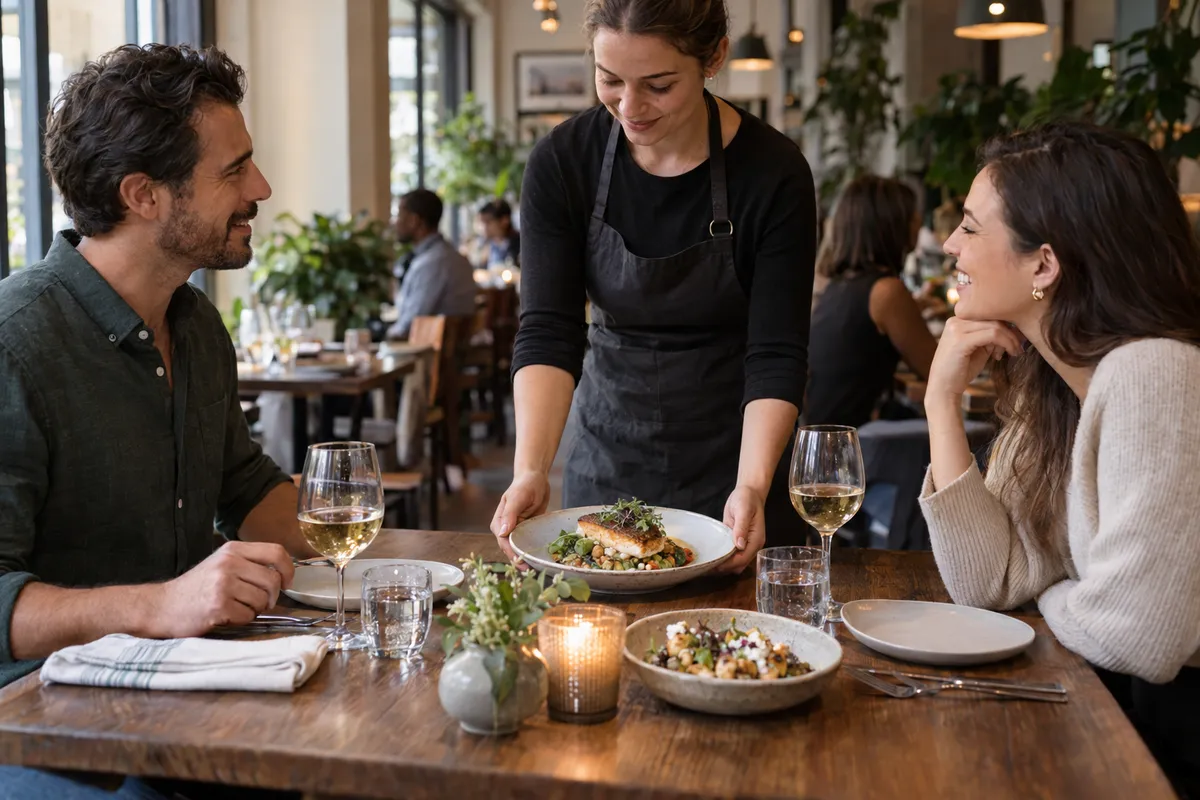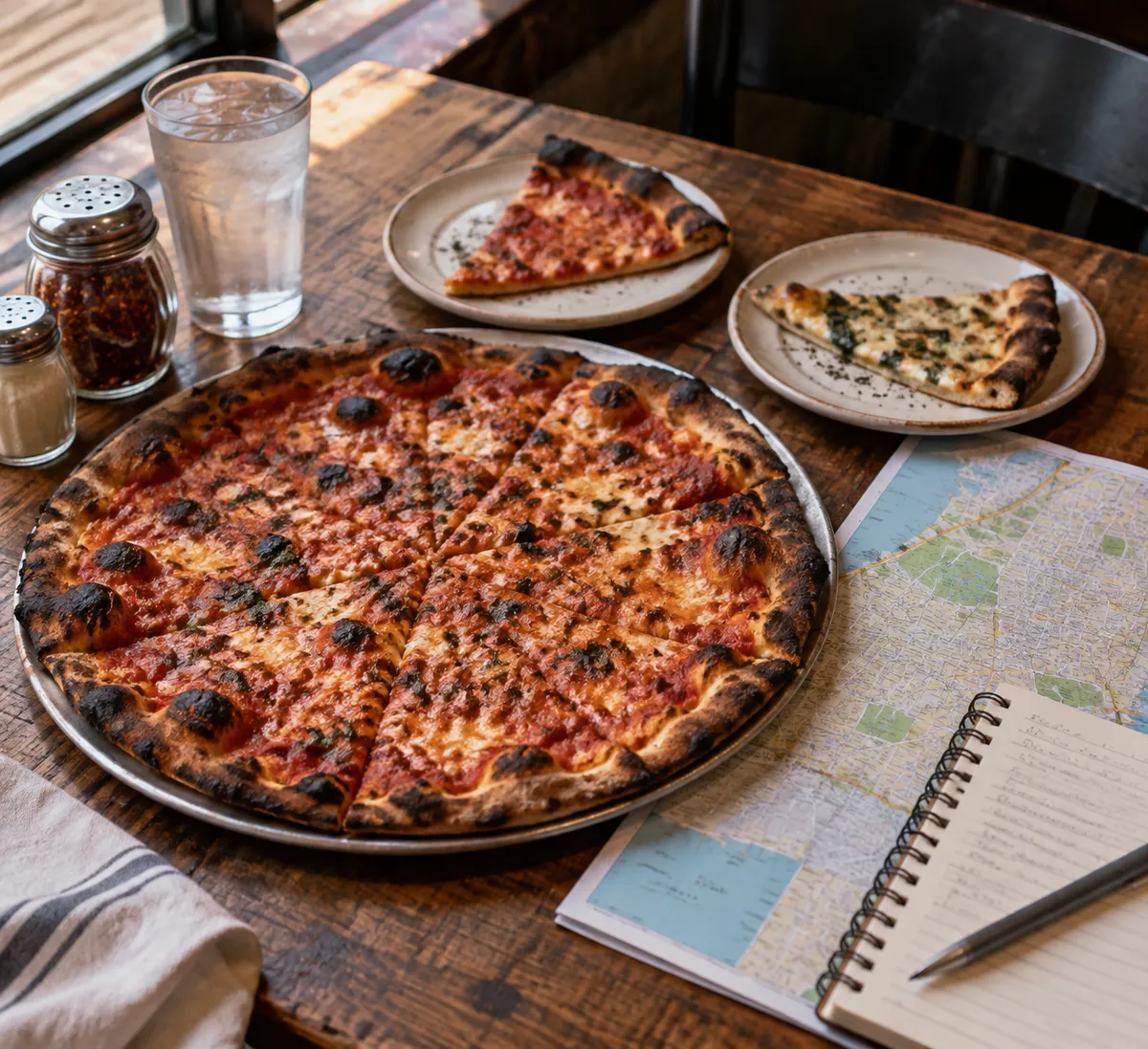
You can buy a bottle of Scotch almost anywhere. You can pour a German-style lager at home in minutes. So why do people book flights to drink them where they're made? Forbes recently explored exactly this, and its core argument is useful for anyone planning a trip: provenance, meaning where something is made, who makes it, and the culture around it, adds value, authenticity, and emotional pull. By the end of this piece, you'll know how to use that idea to plan a trip that's about taste, not just sightseeing.
What provenance actually adds
Forbes frames provenance as three things working together: place, people, and culture. That's a handy checklist, and it explains why the same product can feel ordinary on a shelf and special in its home region.
- Place: The landscape, climate, and setting where the food or drink originates.
- People: The makers, whose knowledge and stories turn a product into something personal.
- Culture: The traditions, rituals, and occasions that surround it.
When you drink a whisky in Scotland, you're not just tasting a spirit. You're getting the context that makes it matter. That context is what feels premium, and it's something no label can fully carry across an ocean.
Oktoberfest as the blueprint
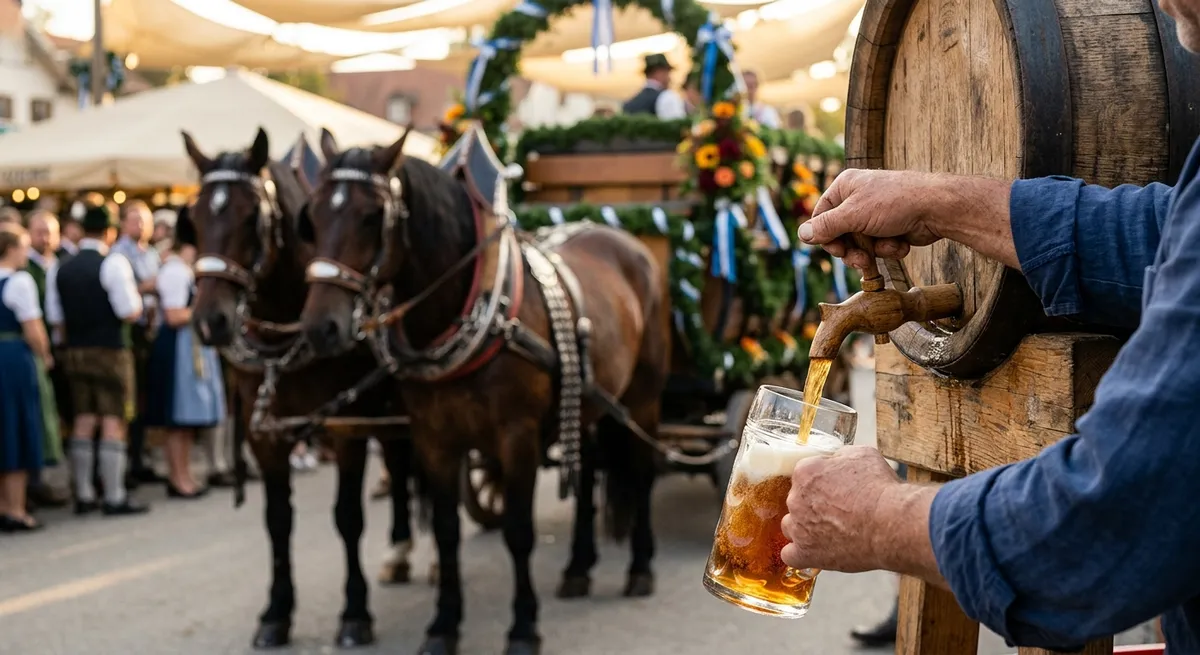
Forbes points to Munich's Oktoberfest as an example of experience-led tourism. The beer matters, but so does everything around it: the setting, the shared ritual, the sense of being part of a tradition. Travelers aren't only buying a drink; they're buying the occasion.
That's the lesson to borrow. When you choose a food or drink destination, look for places where the product is inseparable from the event or tradition around it. If you could get the same thing in your own city with the same atmosphere, the trip is probably about something else.
Scotland's whisky trail: taste with context
The other pillar of the Forbes piece is whisky tourism in Scotland. Here the appeal is going to the source: seeing where the spirit comes from and meeting the people behind it. Whisky is a good test case because it's so widely available. The fact that travelers still seek it out at home shows that access to the product isn't the draw; access to the story is.
How to plan a trip around taste
Forbes notes that culinary travel is booming as people look for more meaningful, place-based experiences over generic tourism. Here is a practical way to act on that.
1. Pick one product you already love
Start with something you drink or eat regularly and wonder about. A familiar favorite gives you a reason to care about the details, and you'll recognize what's different when you taste it at the source.
2. Research the people, not just the place
Look for producers, distilleries, brewers, or cooks who tell their own story. Provenance is as much about who makes something as where, so build time into your itinerary to meet them or hear from them directly.
3. Time your trip around a tradition
Oktoberfest shows how powerful a ritual can be. If your chosen product has a festival, season, or local custom attached, plan around it. Check dates and booking details well ahead, since I can't vouch for current arrangements at any specific event.
4. Leave room for the unplanned
The best discoveries tend to be local: a regional dish served alongside the drink, a bar the maker recommends. Keep a gap or two in your schedule.
5. Bring the context home
If you buy a bottle, write down what you learned about who made it and where. Pouring it later with that story in mind is half the point.
Why brands and regions are leaning in
Forbes also notes that brands, regions, and creators are leaning into origin stories to stand out in crowded food, drink, and travel markets. For you as a consumer, this is a useful filter. A genuine origin story is specific: a named place, real makers, a tradition you can actually visit. A vague one is just marketing. When in doubt, ask whether you could verify the story by showing up.
The takeaway
Next time you're choosing a destination, start with a flavor rather than a landmark. Pick one food or drink you love, find where and how it's made, and go. The taste will be the same on paper, but the experience won't be.